What Is Soy Ink Packaging and How Does It Help the Environment?
| Quick Facts | Details |
|---|---|
| VOC Reduction | 85% lower than petroleum inks |
| Biodegradability | 4x faster decomposition |
| Market Growth | $4.3B projected by 2032 |
| Renewable Source | Made from soybeans |
Are you looking for sustainable packaging solutions that don’t compromise on quality? The printing industry is experiencing a green revolution, and soy ink packaging is leading the charge.
Soy ink packaging uses printing ink derived from soybean oil instead of petroleum-based chemicals, offering superior environmental benefits including lower VOC emissions, faster biodegradability, and renewable resource utilization while maintaining vibrant print quality.

This eco-friendly alternative has gained significant traction among environmentally conscious businesses. Additionally, major brands are adopting soy ink to meet sustainability goals while appealing to eco-aware consumers who increasingly prioritize environmental responsibility in their purchasing decisions.
What Is Soy Ink Packaging and How Does It Work?
Understanding the fundamentals of soy ink packaging helps businesses make informed decisions about sustainable printing solutions.
Soy ink packaging utilizes printing ink made primarily from soybean oil, requiring at least 20-30% soy content, combined with pigments, resins, and waxes to create vibrant, high-quality prints on various packaging materials.

The Science Behind Soy Ink Production
Soy ink production begins with processing soybeans through cleaning, cracking, and flaking stages to extract high-quality oil. Subsequently, manufacturers refine the soybean oil and blend it with colorants, binding agents, and performance enhancers. Furthermore, this process creates a printing medium that performs comparably to traditional petroleum-based inks.
The American Soybean Association’s SoySeal certification requires inks to contain at least 30% soy oil for quality assurance. Moreover, many formulations exceed this minimum requirement to maximize environmental benefits. Therefore, businesses can choose from various soy ink concentrations based on their specific sustainability goals.
Modern soy ink formulations have evolved significantly since their 1970s introduction during the petroleum crisis. Additionally, technological advances have improved drying times, color vibrancy, and application versatility. Furthermore, contemporary soy inks work effectively with offset, digital, and screen printing methods.
Applications in Modern Packaging
Soy ink packaging applications span numerous industries, from food packaging to luxury retail boxes. Additionally, the versatility of soy ink makes it suitable for various substrates including paper, cardboard, and specialty materials. Furthermore, brands across sectors are integrating soy ink into their packaging strategies.
High-profile companies like Coca-Cola and Starbucks utilize soy ink for their packaging materials, demonstrating its commercial viability. Moreover, smaller eco-focused brands leverage soy ink for stamps, labels, and promotional materials. Therefore, soy ink serves businesses of all sizes seeking sustainable printing solutions.
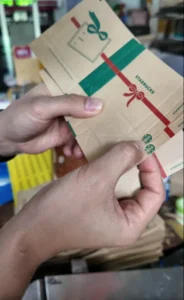
The food packaging industry particularly benefits from soy ink applications, though direct food contact requires careful consideration of FDA regulations. Additionally, soy ink works excellently for outer packaging, labels, and marketing materials in food applications. Furthermore, the natural origin of soy ink aligns well with organic and natural food branding.
How Does Soy Ink Packaging Benefit the Environment?
Environmental advantages make soy ink packaging an increasingly attractive option for sustainability-focused businesses and consumers.
Soy ink packaging provides substantial environmental benefits through renewable resource utilization, 85% lower VOC emissions, enhanced biodegradability, improved recyclability, and reduced carbon footprint compared to petroleum-based alternatives.
Renewable Resource Advantages
Soybeans represent a continuously renewable resource that can be harvested annually without depleting finite reserves. Additionally, soybean cultivation supports agricultural sustainability through crop rotation practices that improve soil health. Furthermore, using soybeans for ink production creates additional revenue streams for farmers.
The renewable nature of soybeans contrasts sharply with petroleum-based inks that rely on finite fossil fuel resources. Moreover, soybean production absorbs carbon dioxide during growth, contributing to atmospheric carbon reduction. Therefore, soy ink packaging supports both resource sustainability and climate change mitigation efforts.
Sustainable farming practices associated with soybean production include reduced pesticide use and improved water management. Additionally, modern agricultural techniques continue to increase soybean yields while minimizing environmental impact. Furthermore, supporting soybean-based industries encourages continued agricultural innovation.
Emission Reduction and Air Quality
Soy ink dramatically reduces volatile organic compound (VOC) emissions compared to traditional petroleum-based inks. Specifically, soy ink contains approximately 0.8% VOCs while petroleum inks contain 4.6% VOCs. Moreover, this reduction significantly improves air quality in printing facilities and surrounding areas.
Lower VOC emissions benefit both worker health and environmental air quality standards. Additionally, reduced emissions help businesses comply with increasingly strict environmental regulations. Furthermore, cleaner air contributes to better working conditions and reduced health risks for printing industry employees.
The emission reduction also extends to greenhouse gases associated with ink production and application. Moreover, the entire lifecycle of soy ink generates fewer harmful emissions than petroleum alternatives. Therefore, businesses adopting soy ink packaging contribute measurably to emission reduction goals.
Enhanced Recycling and Waste Management
Soy ink significantly improves the recyclability of printed materials through easier de-inking processes during paper recycling. Additionally, the natural composition of soy ink breaks down more readily than petroleum-based alternatives. Furthermore, improved recyclability reduces waste streams and supports circular economy principles.
The biodegradable nature of soy ink means it decomposes up to four times faster than conventional inks in landfill conditions. Moreover, faster decomposition reduces long-term environmental impact and landfill burden. Therefore, soy ink packaging supports both recycling and waste reduction strategies.
Recycling facilities report higher quality recycled paper when soy inks are used because the de-inking process removes soy-based inks more completely. Additionally, this improved quality allows recycled materials to be used in higher-grade applications. Furthermore, better recycling outcomes support the economic viability of recycling programs.
Why Are Leading Brands Moving to Soy Ink Packaging?
Market trends and consumer preferences drive increasing adoption of soy ink packaging across industries and business sizes.
Leading brands adopt soy ink packaging to meet consumer sustainability demands, achieve corporate environmental goals, improve brand image, access green certifications, and prepare for future environmental regulations while maintaining print quality.

Consumer Demand and Market Trends
Modern consumers increasingly prioritize environmental responsibility in their purchasing decisions, creating market pressure for sustainable packaging solutions. Additionally, surveys consistently show that consumers will pay premium prices for environmentally friendly products. Furthermore, social media amplifies consumer awareness of sustainability issues.
The global soy ink market demonstrates robust growth, valued at approximately $2.5 billion in 2023 and projected to reach $4.3 billion by 2032. Moreover, this growth reflects increasing demand across packaging applications. Therefore, early adoption of soy ink packaging positions brands advantageously in expanding markets.

E-commerce growth further drives demand for sustainable packaging solutions as online retailers seek to reduce environmental impact. Additionally, the rise in package visibility through unboxing videos increases focus on sustainable packaging aesthetics. Furthermore, sustainable packaging becomes a marketing differentiator in crowded online marketplaces.
Corporate Sustainability Goals
Major corporations increasingly commit to science-based emissions targets and comprehensive sustainability programs that include packaging choices. Additionally, soy ink packaging helps companies achieve measurable progress toward environmental goals. Furthermore, sustainable packaging choices demonstrate corporate environmental stewardship to stakeholders.
Environmental, Social, and Governance (ESG) reporting requirements motivate companies to adopt verifiable sustainable practices including soy ink packaging. Moreover, investors and partners increasingly evaluate companies based on environmental performance metrics. Therefore, soy ink adoption supports both regulatory compliance and stakeholder expectations.
Supply chain sustainability initiatives often include packaging material specifications that favor renewable and low-impact options. Additionally, companies working with environmentally conscious partners may require sustainable packaging standards. Furthermore, soy ink packaging helps companies meet supplier sustainability criteria and partnership requirements.
Brand Differentiation and Marketing Advantages
Soy ink packaging provides authentic sustainability messaging that resonates with environmentally conscious consumers across demographic segments. Additionally, the tangible environmental benefits of soy ink create compelling marketing narratives. Furthermore, sustainability messaging supported by concrete actions builds consumer trust and brand loyalty.
The visual quality of soy ink packaging matches or exceeds petroleum-based alternatives while providing sustainability benefits. Moreover, high-quality printing maintains brand aesthetics while communicating environmental values. Therefore, brands don’t sacrifice visual appeal when adopting sustainable printing solutions.
Green certifications and sustainability awards become more accessible when companies adopt comprehensive sustainable practices including soy ink packaging. Additionally, third-party environmental certifications provide credible validation of sustainability claims. Furthermore, recognized certifications simplify sustainability communication to consumers and partners.
What Are the Limitations and Considerations of Soy Ink Packaging?
Understanding potential challenges helps businesses make informed decisions about soy ink packaging implementation and optimization.
Soy ink packaging limitations include higher initial costs, slower drying times, partial petroleum content in some formulations, unsuitability for direct food contact, and performance considerations in specific printing applications.

Cost and Performance Considerations
Soy ink typically costs more than petroleum-based alternatives, creating budget considerations for cost-sensitive printing applications. Additionally, the price premium varies based on formulation, volume, and supplier relationships. Furthermore, businesses must evaluate long-term cost benefits against immediate price differences.
Slower drying times compared to some petroleum-based inks can affect production schedules and workflow efficiency. Moreover, certain high-speed printing applications may require process adjustments when switching to soy ink. Therefore, businesses should test soy ink performance in their specific printing environments.
Temperature sensitivity and performance variations in extreme conditions may limit soy ink applications in certain industrial or outdoor packaging scenarios. Additionally, storage requirements and shelf life considerations may differ from traditional inks. Furthermore, proper handling and storage procedures ensure optimal soy ink performance.
Implementation and Transition Challenges
Converting existing printing operations to soy ink may require equipment adjustments, staff training, and workflow modifications. Additionally, color matching and quality control procedures may need updates during the transition period. Furthermore, supplier relationships and sourcing strategies require evaluation and potential changes.
Quality consistency across different suppliers and formulations requires careful vendor evaluation and testing. Moreover, establishing reliable supply chains for soy ink may present initial challenges. Therefore, businesses should develop comprehensive transition plans with adequate testing and backup options.
Client education and expectation management become important when implementing soy ink packaging, particularly regarding drying times and handling requirements. Additionally, marketing the environmental benefits requires accurate information and proper positioning. Furthermore, measuring and communicating environmental impact improvements supports successful implementation.

Technical Specification Evaluation
Soy content percentage directly impacts environmental benefits and performance characteristics, requiring balance between sustainability goals and operational requirements. Additionally, higher soy content generally provides greater environmental benefits but may affect certain performance parameters. Furthermore, understanding the relationship between soy content and application requirements guides optimal selection.
Printing method compatibility varies among soy ink formulations, with different products optimized for offset, digital, flexographic, or screen printing applications. Moreover, substrate compatibility affects ink adhesion, color reproduction, and durability performance. Therefore, matching ink formulations to specific printing and substrate combinations ensures optimal results.
Color consistency and reproduction capabilities should be evaluated through testing with actual brand colors and design requirements. Additionally, special effects like metallic inks or specialty finishes may have different availability in soy-based formulations. Furthermore, quality standards and tolerance requirements guide formulation selection and supplier evaluation.
Environmental and Certification Considerations
Third-party environmental certifications provide verification of sustainability claims and support marketing communications. Additionally, certifications like FSC (Forest Stewardship Council) or Green Seal validate environmental benefits. Furthermore, certified products often qualify for green building credits and corporate sustainability reporting.
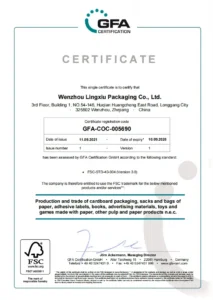
Lifecycle assessment data helps quantify actual environmental benefits and supports comprehensive sustainability strategies. Moreover, understanding carbon footprint, water usage, and waste generation throughout the supply chain guides informed decisions. Therefore, comprehensive environmental evaluation ensures alignment with sustainability goals.
Regional availability and transportation considerations affect the overall environmental impact of soy ink packaging solutions. Additionally, local sourcing options may provide both environmental and economic advantages. Furthermore, supply chain sustainability includes evaluating supplier environmental practices and certifications.
Supplier Selection and Partnership Criteria
Supplier technical capabilities, quality control systems, and customer support determine successful soy ink packaging implementation. Additionally, supplier experience with similar applications and industries provides valuable implementation guidance. Furthermore, long-term partnership potential and scalability support business growth requirements.
Quality consistency, delivery reliability, and technical support availability affect operational success with soy ink packaging. Moreover, supplier certification, testing capabilities, and documentation support regulatory compliance and quality assurance. Therefore, comprehensive supplier evaluation ensures reliable long-term partnerships.
Cost transparency, pricing stability, and volume discount structures affect long-term budgeting and financial planning. Additionally, understanding total cost of ownership including training, equipment modification, and ongoing support provides accurate cost comparison. Furthermore, flexible pricing and service options accommodate business growth and changing requirements.
Get Premium Finishing For Your Designs At OPACK
Looking for a reliable and nice price supplier? OPACK is your trusted partner for creating stunning designs that leave a lasting impression and add elegance and sophistication to your packaging. Contact us now to order.
Conclusion
Soy ink packaging represents a practical, environmentally responsible solution that delivers superior sustainability benefits while maintaining high-quality printing standards for modern businesses.