I’ve seen countless customers struggle to choose the right gift box design. The wrong closure can ruin presentation, waste time, or even damage the product inside. Let me help solve this common packaging dilemma.
The best folding gift box design depends on your specific needs. Magnetic closures offer elegance and reusability, ribbon ties create a premium unwrapping experience, and tuck-in flaps provide cost-effective simplicity. Consider your brand image, budget, and customer experience when choosing.
When I first started in packaging design, I made the mistake of recommending the same box style for every client. I quickly learned that different occasions and products demand different solutions. Let’s explore how to make the right choice for your specific needs.
How Do Magnetic Closure Gift Boxes Enhance the Unboxing Experience?
I’ve watched many customers struggle with complicated box closures. They become frustrated before even seeing the product inside, creating a negative first impression that’s hard to overcome.
Magnetic closure gift boxes provide a premium unboxing experience through their smooth, satisfying opening mechanism. The embedded magnets create a secure seal that opens with a gentle pull, making them ideal for luxury products, electronics, and items requiring frequent access.
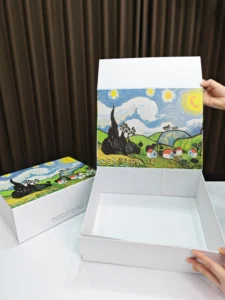
Magnetic closures have revolutionized our industry in recent years. I’ve incorporated them into numerous high-end packaging solutions with excellent results. Let me share what makes them special.
Advantages of Magnetic Closures
The most compelling reason to choose magnetic closures is the premium feeling they create. When a customer opens a magnetic box, they experience a smooth, controlled movement that feels satisfying and luxurious. This subtle interaction communicates quality before they even see your product.
From a practical standpoint, magnetic closures offer excellent security without complexity. Unlike some closure methods that can be difficult for certain users (especially those with limited dexterity), magnetic boxes open easily with minimal force. This accessibility makes them appropriate for almost any demographic.
In my experience working with luxury brands, magnetic closures have become increasingly popular for:
| Product Category | Why Magnetic Works Well |
|---|---|
| Jewelry | Provides elegant presentation with secure storage |
| Premium Cosmetics | Creates memorable unboxing experience |
| Electronics | Offers protection while allowing frequent access |
| Gift Sets | Enhances perceived value of contents |
The primary drawback is cost – magnetic closures typically increase production expenses by 15-25% compared to simpler designs. However, for premium products, this investment often yields returns through enhanced customer perception and higher unboxing satisfaction.
Why Are Ribbon Tie Closures Perfect for Special Occasion Packaging?
I’ve seen customers disappointed when special gifts lack that ceremonial unwrapping moment. A plain box can make even the most thoughtful gift feel ordinary and rushed.
Ribbon tie closures create anticipation through their unwrapping ritual, making them perfect for special occasions like weddings, holidays, and milestone gifts. The customizable ribbons add color, texture, and personality while doubling as decorative elements that enhance the overall presentation.
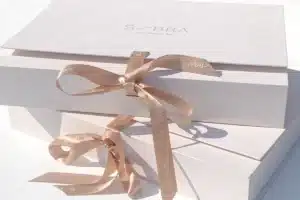
When I design ribbon closure boxes, I’m creating more than just packaging – I’m crafting the beginning of a memorable experience. Let me explain why this approach works so well for certain situations.
The Psychology of Ribbon Tie Closures
The act of untying a ribbon creates anticipation in a way that other closures simply can’t match. This small ritual transforms the unboxing into an event, slowing down the process and building excitement. I’ve found this particularly effective for wedding favors, holiday gifts, and luxury brand presentations.
Ribbons also provide incredible versatility in terms of customization. I regularly work with clients to select specific:
- Ribbon materials (satin, grosgrain, velvet, organza)
- Widths (from delicate 1/4" to bold 2")
- Finishing techniques (simple bow, double bow, crisscross)
- Colors and patterns (matching brand identity or seasonal themes)
This flexibility allows for seamless integration with broader brand aesthetics or event themes. I recently designed packaging for a jewelry company’s holiday collection, using deep burgundy velvet ribbon that coordinated perfectly with their seasonal marketing materials.
| Occasion | Recommended Ribbon Style |
|---|---|
| Weddings | Wide satin ribbon in wedding colors |
| Corporate Gifts | Grosgrain ribbon in brand colors |
| Seasonal Gifts | Textured ribbons in seasonal colors |
| Luxury Retail | Silk or velvet ribbons with custom printing |
The main consideration with ribbon closures is the additional assembly time and skill required. Each box must be tied by hand, which increases production costs and time. However, for special occasions, this handcrafted touch often justifies the investment.
Are Tuck-In Flap Designs the Most Practical Gift Box Solution?
I’ve watched clients overspend on complicated closures for everyday products. They later discover that simple solutions would have been more cost-effective and user-friendly for their specific needs.
Tuck-in flap designs offer practicality through their simple construction, cost-effectiveness, and ease of assembly. These closures work by tucking a tab into a corresponding slot, providing secure closure without added components. They’re ideal for retail products, promotional gifts, and high-volume packaging needs.
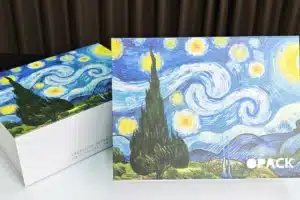
In my years of designing packaging for various clients, I’ve found that tuck-in flaps remain one of the most versatile and practical closure options. Let me share why these seemingly simple designs continue to dominate the packaging industry.
The Versatility of Tuck-In Designs
Tuck-in flap closures come in several variations, each offering different benefits. The most common types I work with include:
- Standard Tuck End: A basic design where one flap tucks into the opposite panel
- Reverse Tuck End: Both top and bottom flaps fold in opposite directions
- Snap-Lock Bottom: Features an auto-locking bottom for added security
- Tuck Top with Display Front: Combines a tuck closure with a window or open front
These designs can be produced efficiently on standard die-cutting equipment, resulting in significant cost savings compared to more complex closures. For a recent retail client, switching from magnetic to tuck-in closures reduced their packaging costs by nearly 30% without compromising on visual appeal.
| Business Need | Tuck-In Design Benefit |
|---|---|
| High Volume Production | Faster manufacturing speeds |
| Shipping Efficiency | Flat shipping reduces transportation costs |
| Easy Assembly | Minimal training required for staff |
| Sustainability | Single-material construction improves recyclability |
I’ve found tuck-in designs particularly well-suited for seasonal promotions, retail packaging, and product lines with narrow profit margins. While they may lack the premium feel of other closures, thoughtful design elements like embossing, foil stamping, or unique die-cut shapes can significantly enhance their perceived value.
One limitation worth noting is security – tuck-in closures can be more easily opened than sealed alternatives, making them less suitable for high-value items or those requiring tamper-evidence.
Conclusion
I’ve learned that successful gift box design isn’t about choosing the most elaborate option, but finding the perfect match between closure style, product needs, and brand image. Consider your specific requirements and choose accordingly.